Dentist – Lawrence, KS
A Place to Smile
Comprehensive Dentistry with a Personalized Touch
watch our welcome video

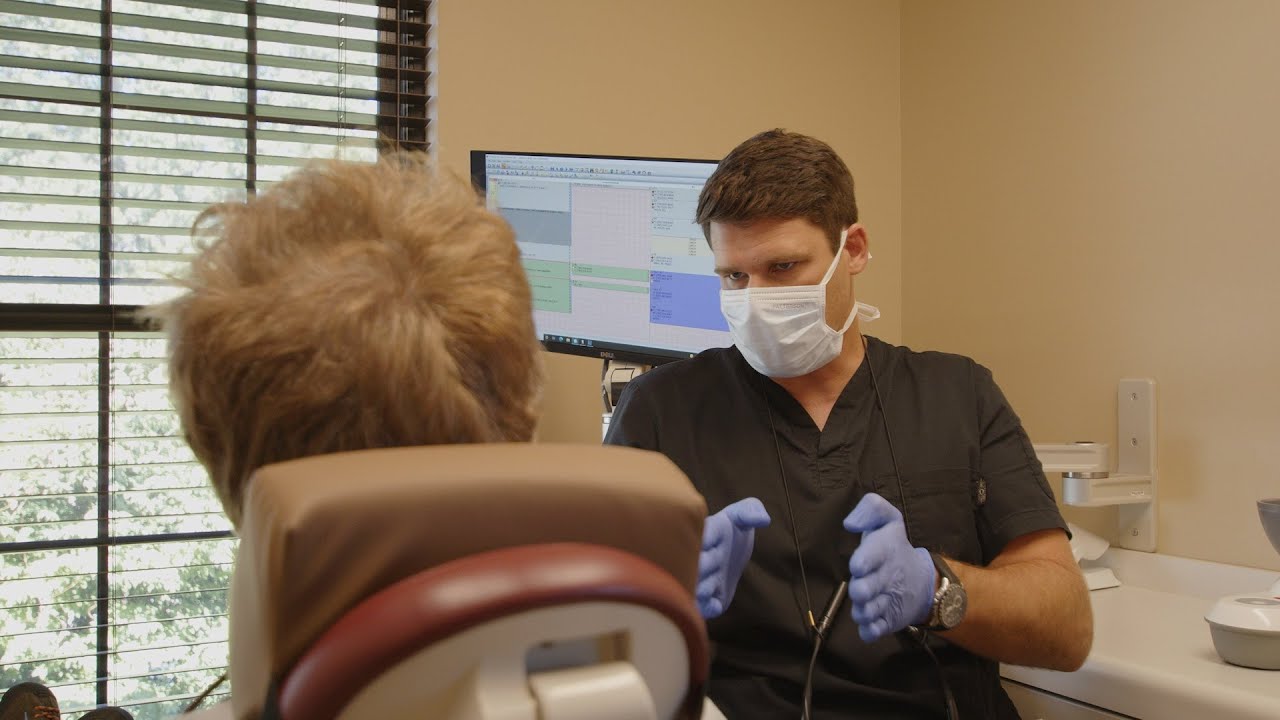
Our team of experienced dentists are dedicated to providing their patients with top-tier dental care. Within our two office buildings, we’re able to provide preventive care for all of your loved ones as well as more advanced treatments to get your oral health back on the right track.


Each of our dentists is passionate about creating a comfortable, warm, and stress-free environment for patients to be treated. They regularly take advanced education courses to sharpen their skills and stay up-to-date with the latest technology and techniques in their field, allowing them to provide comprehensive care for family members of all ages. They’re truly excited to welcome you into the practice, and hopefully build a long-lasting relationship so you and your family can call our practice your dental home!
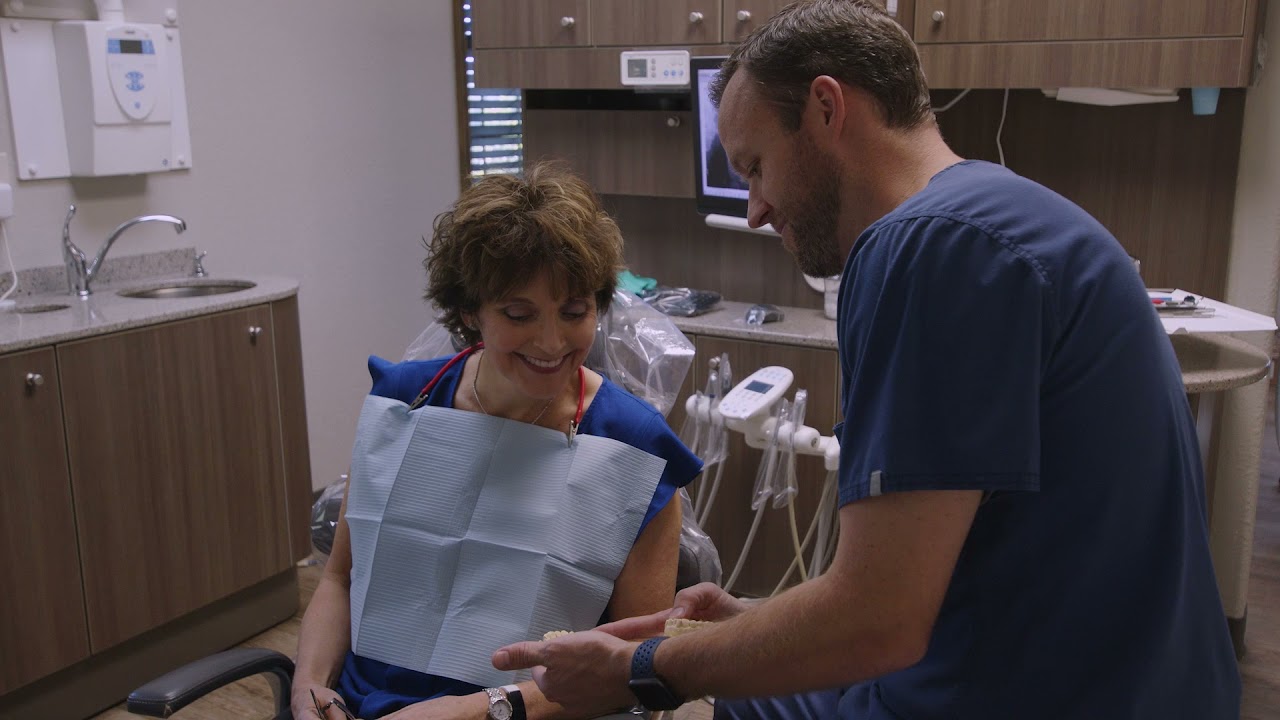
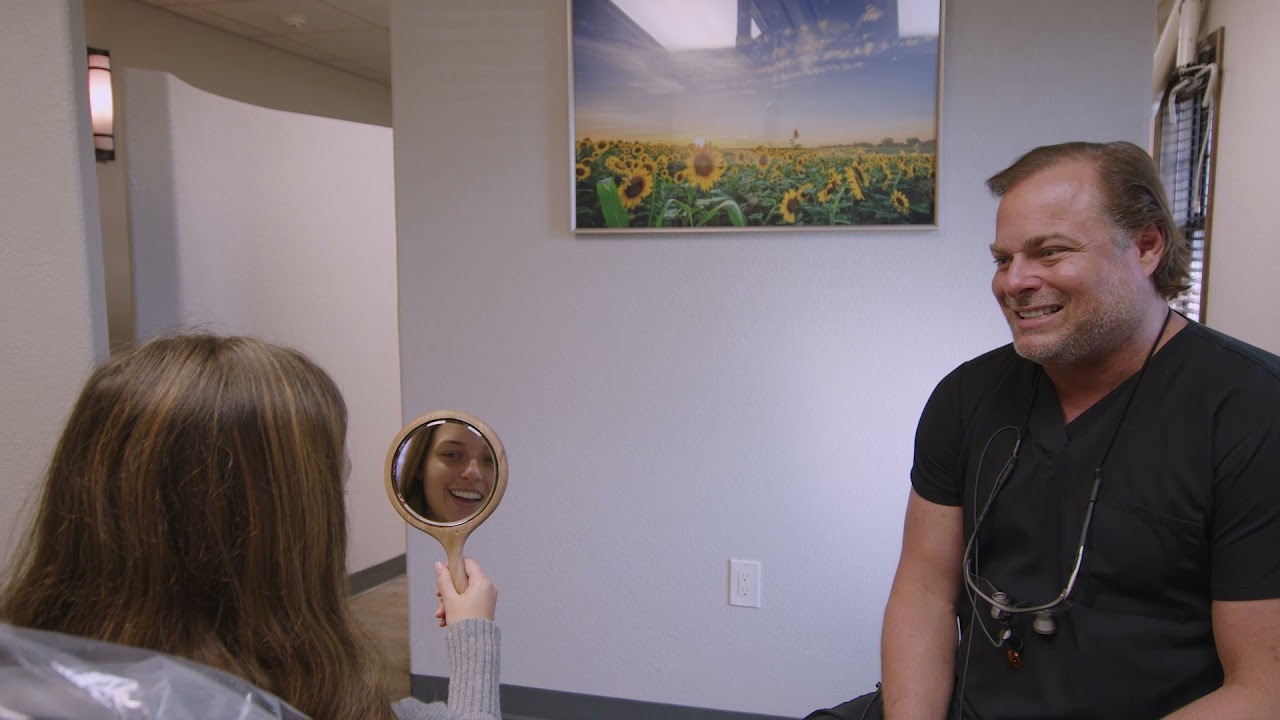
Whether you’re here for a routine checkup or you’re looking to address problems like tooth loss and gum disease, we want you to know that we’re not here to judge you. We want to tackle the problems at-hand and provide you with a healthy smile that you’ll feel happy to show off. With our variety of specialized and preventive dental services, we can do just that!


We try to diagnose and treat the small problems before they have a chance to progress and cause permanent damage to your smile. In doing so, we hope to help you maintain excellent oral health for a lifetime.
Learn About Preventive Dentistry
Our team is able to complete the entire dental implant process in-office, so you won’t have to worry about travelling from office-to-office. You’ll be able to place your trust in a single, organized, skilled team.
Learn About Dental Implants
Dr. Nick Salava is our experienced in-house sleep dentist. He offers a wide array of customized treatments to combat the effects of sleep apnea and improve your quality of rest and day-to-day life.
Discover Sleep Apnea Therapy
Do you experience chronic jaw pain or lock jaw? Our personalized TMD therapy can address the root causes of your condition and provide you with lasting relief, helping you live your life comfortably.
Learn About TMJ/TMD TherapyWe try to diagnose and treat the small problems before they have a chance to progress and cause permanent damage to your smile. In doing so, we hope to help you maintain excellent oral health for a lifetime.
Find My Dental InsuranceIf you don’t have dental insurance, no worries! We offer six and 12-month payment plans through CareCredit, a flexible, trusted third-party financer. All you need to do to learn if you qualify is apply online.
Learn About CareCredit® Financing


"I've been going to Dr. Robbins for about 6 years now and he isn't one of those dentists that will gouge you for money. He only does what is necessary. His dental hygienist, Belinda, is amazing and does a great job. Everyone in the office always seems to remember you and go out of the way to make the experience comfortable. I would recommend Dr. Robbins and his staff to anyone looking for a great dentist!"
Click Here for The Studio (Dr. Salava) Click Here for Lawrence Dental Center (Drs. Robbins, Larkin, Heinbach & Raper)


